What Happens During Puberty
Your body is starting to change, and that's exactly what it's supposed to do. Here's a gentle guide to what happens during puberty, at your own pace.
Your body is starting to change, and if that feels exciting, confusing, or a little bit of both, you're completely normal. Puberty is your body's way of growing up, and it happens to everyone, right on its own schedule. Let's walk through it together, step by step.
When does it start?
For most girls, puberty begins somewhere between ages 8 and 13. But here's the most important part: there's no "right" time. Some friends will start earlier and some later, and inside that window there is no right time. The edges are worth knowing though: if breasts, body hair, or a period turn up before you are 8, or if nothing at all has started by the time you turn 13, tell a parent so a doctor can take a look. Your body knows what it's doing.
What changes to expect
Your body
- Breasts start to develop. This is often the very first sign. It's totally normal for one side to grow a little faster than the other at first; they usually even out.
- You grow, sometimes fast. A growth spurt can add several centimetres in a single year. New shoes again? That's why.
- Your shape changes. Your hips may get a little wider and your waist more defined.
- New hair appears, under your arms and around your private area. Expected and normal.
Your skin
Your skin might get oilier, and pimples can show up. That's hormones doing their thing, and it happens to almost everyone. Washing your face gently twice a day helps.
Your first period
Most girls get their first period about 2 to 3 years after their breasts start developing. It's a sign your body is growing up beautifully, and when it comes, you'll be ready.
How to feel good about the changes
- Be patient with yourself. These changes take time, and that's okay.
- Talk to someone you trust when you have questions, like a parent, an older sister, or a school nurse.
- Remember everyone grows at their own pace. Comparing yourself to friends rarely helps.
- Take care of your body with good food, water, and plenty of rest.
Remember
Everything happening to you is a normal, healthy part of growing up. Your body is doing exactly what it's meant to do, and Sosô is here with you the whole way. 💛
Comments (0)

Veronica Tarsitano is a nursing student and a Brazilian living in Portugal. Married and a mother of three, including the girl who inspired the name "Sosô". She writes based on the real-life experience of closely following a daughter's first period, without filters.
Download the Soso app and put this into practice
Download the appRelated Posts
How to tell the difference between spotting and a period
Spotting is light and irregular bleeding, while menstruation usually lasts longer and follows the cycle’s usual pattern.
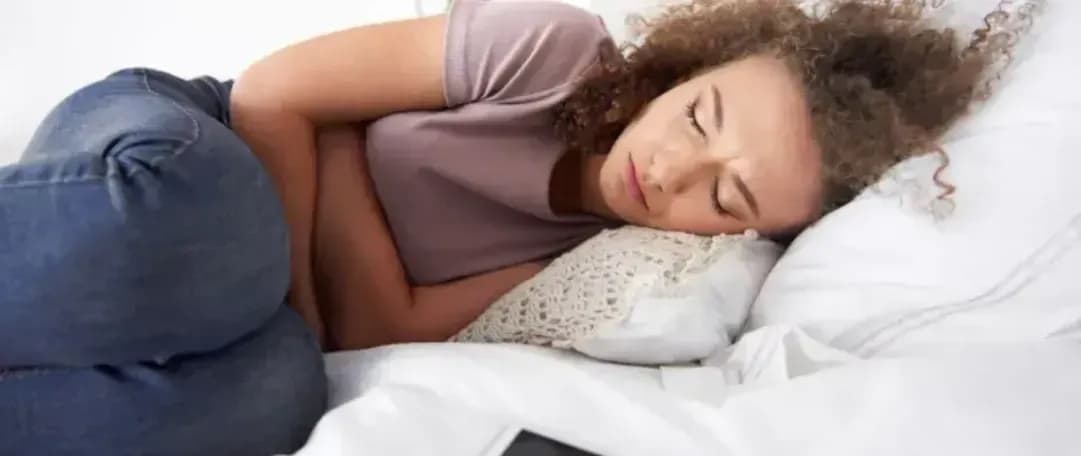
Period cramps or stomachache? How to tell the difference and help during early adolescence
Your daughter has a stomachache and you are not sure whether it is menstrual cramps? Learn how to recognize the signs and help your daughter understand her body without fear or drama.
%25201200x675%2520pixels%2520(2)-1.webp&w=3840&q=75)
I woke up to a stained sheet: what to do in the middle of the night without panicking
Waking up and noticing a blood stain on your sheet can be scary, especially when it happens for the first time. But the truth is that this kind of situation is much more common than you might think.